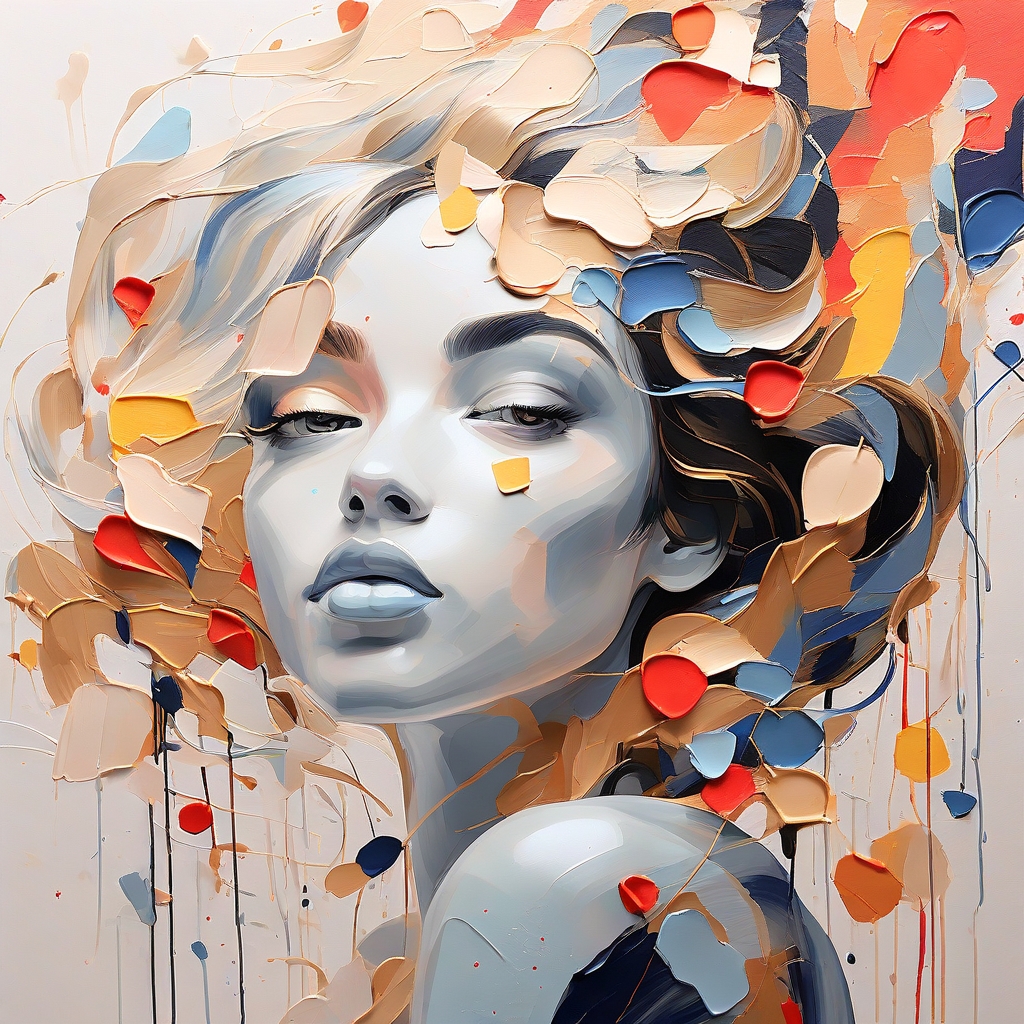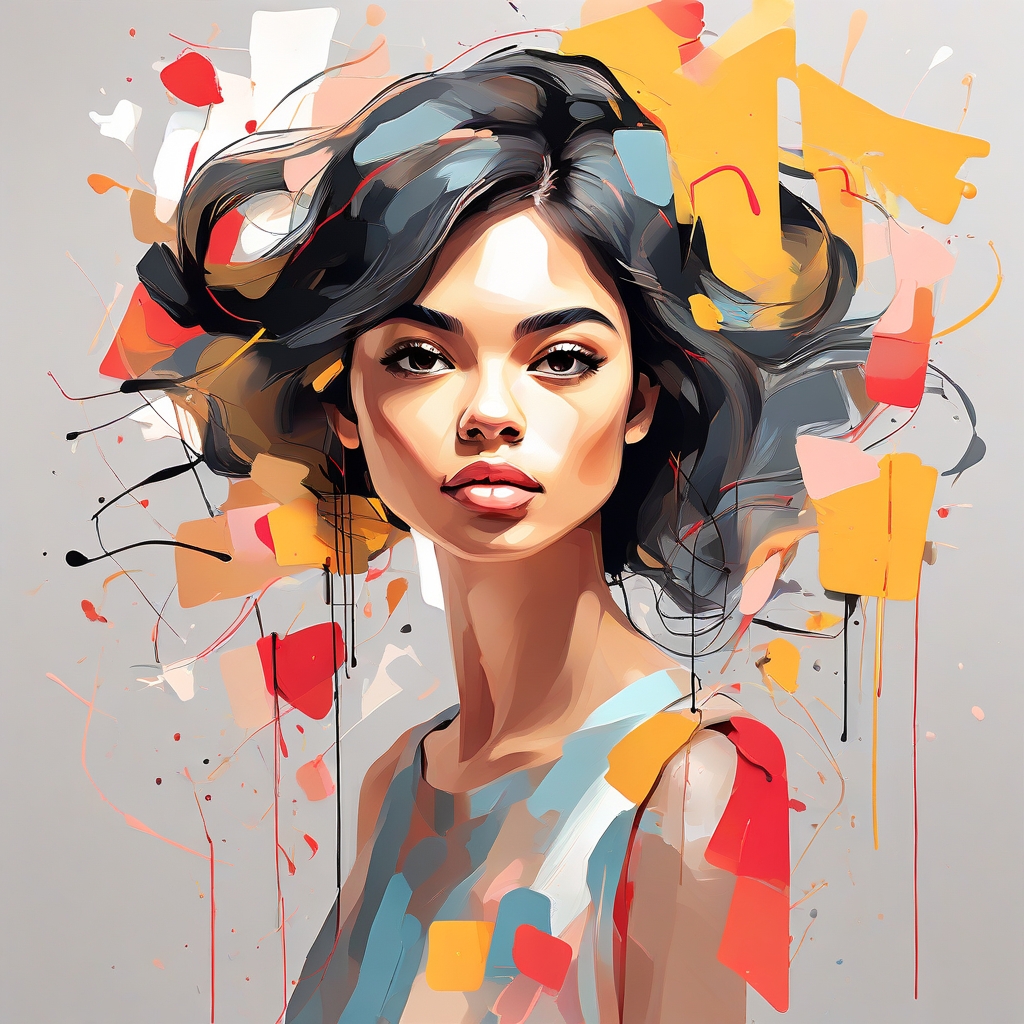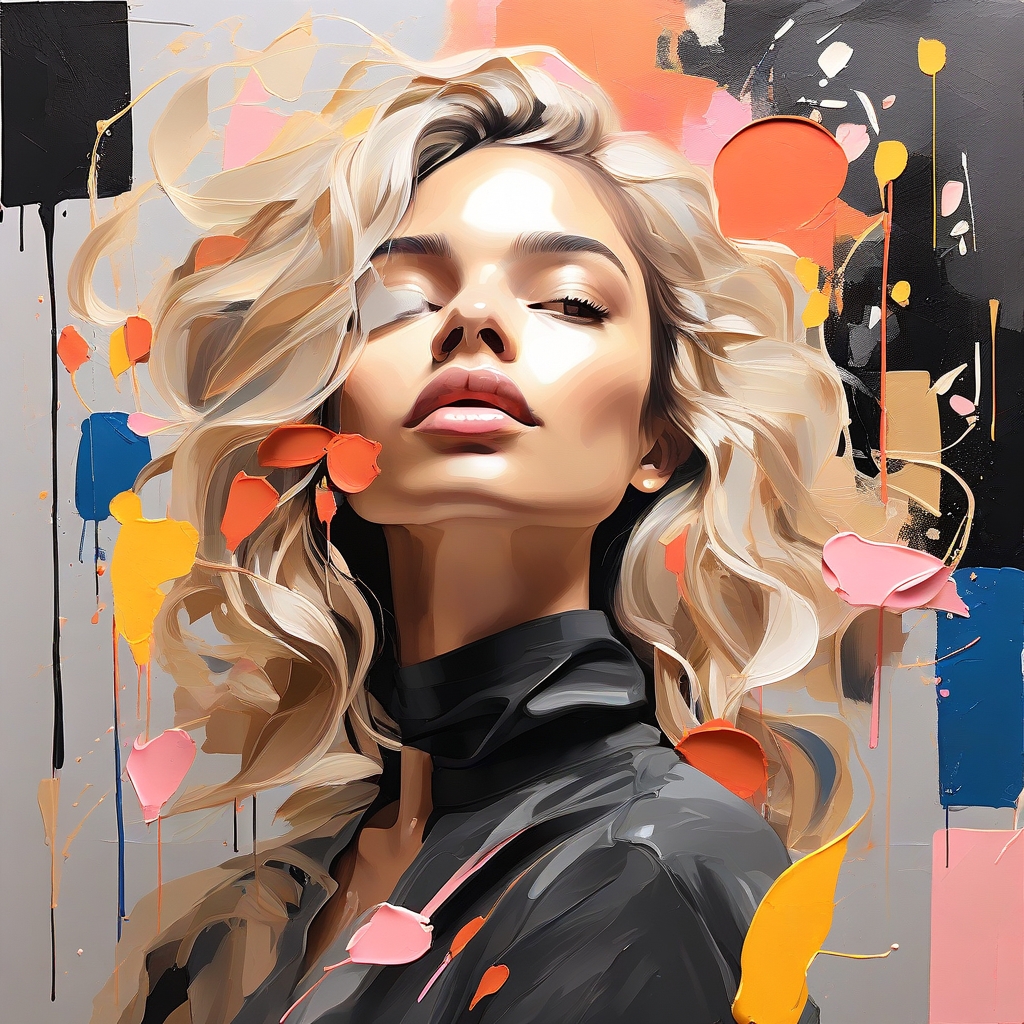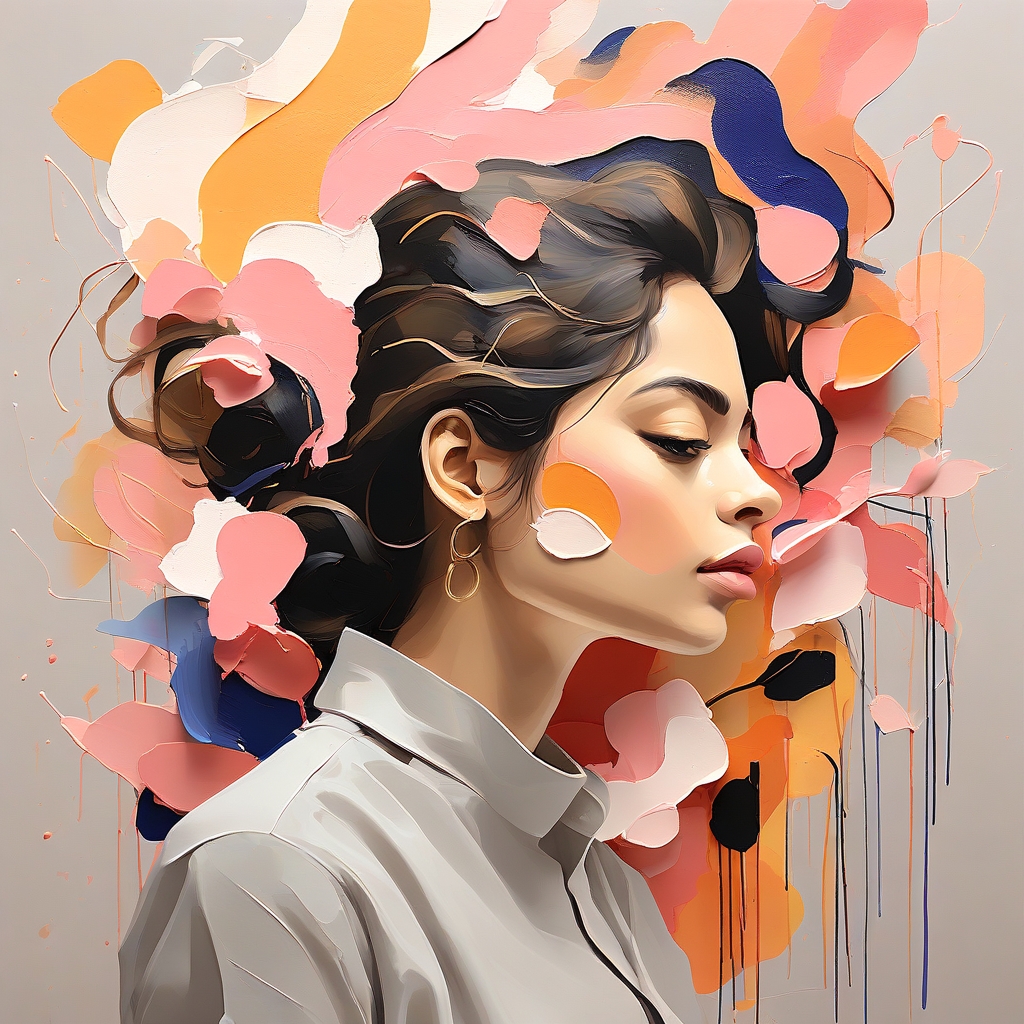
AI GeneratedContemporary Art
Echoes and Revolutions: Contemporary Art’s Dialogue with the Past
December 12, 2025 at 10:52 AM
Contemporary art is a shape-shifter. It borrows, rebels, reinvents, and—most crucially—sparks conversation between the present and the echoes of the past. Recent headlines, from the Santa Barbara Museum’s Impressionist survey to the Mevlana Museum’s enduring spiritual message, remind us that the “now” of art is always in dialogue with what came before. But is this an endless recycling, or a creative revolution? Let’s dive in.
The Past Isn’t Past: Museums as Living Conversations
The Mevlana Museum in Konya is a case in point. Crowds still gather to absorb Rumi’s 752-year-old call for love and tolerance—an ancient message, but one that feels acutely necessary in our fractured world. Here’s the twist: this isn’t just about preservation. The museum has become a crucible for contemporary artists who riff on Rumi’s ideas, exploring spiritual themes through new media, installations, and digital art. It’s a beautiful paradox: the old inspires the new, and the new keeps the old alive.
Likewise, the New York Historical Society’s massive expansion—timed for America’s 250th birthday—signals how institutions are repositioning themselves. The line between “history” and “art” is blurring. Expect more collaborations between historians and artists, and more exhibitions that use contemporary art to interrogate foundational myths.
From Impressionism to Instagram: The Art of Rejection and Reinvention
The Santa Barbara Museum’s new show, “From Rejection to Revolution,” charts the rise of the Impressionists—a movement born out of exclusion from the establishment. Impressionism, once the enfant terrible of the art world, is now a gateway to understanding how contemporary artists operate. The lesson? Radical new visions often start as rejections of the status quo.
We see this spirit alive and well today. Contemporary artists, emboldened by the Impressionists’ legacy, are unafraid to tackle uncomfortable truths—whether that’s confronting colonial histories or reinterpreting icons like Mary Queen of Scots (whose poignant last letter is now on display in the UK). These creative acts of reclamation are, in their own way, revolutions.
Cultural Heritage: A Global Responsibility
The recent ACHA General Assembly in Chongqing underscores another key trend: the globalization of cultural heritage protection. Contemporary art is increasingly international, with artists and curators collaborating across borders. This isn’t just about safeguarding dusty relics; it’s about recognizing that our shared heritage is a living, evolving resource.
From my perspective, this global outlook is one of contemporary art’s greatest strengths. It challenges the tired narrative of Western dominance and opens up the canon to new voices—whether they’re channeling Rumi’s poetry or remixing the iconography of Mary Queen of Scots.
My Take: Meaning, Memory, and the Magic of Now
As someone who spends far too much time wandering museums and scrolling through art feeds, I’m heartened by how contemporary art refuses to let the past gather dust. Instead, it’s a living archive—one that artists are constantly rewriting. Sure, sometimes this leads to overwrought works or Instagrammable stunts. But more often, it results in art that is urgent, empathetic, and fiercely relevant.
Looking Forward: The Future of Contemporary Art
Contemporary art’s future? Expect even more hybridity. The boundaries between art, history, and activism will continue to dissolve. Museums will become forums for debate, not just temples of quiet contemplation. And artists? They’ll keep finding new ways to make the old new again.
In a world obsessed with novelty, it’s the artists who remember—and reimagine—the past who will shape the future.
---
Contemporary art is a conversation, not a monologue. The best is yet to come.
--- *Based on news from Hurriyet Daily News, Sky.com, Antaranews.com.*
Comments (0)
Share your thoughts on this piece. Thoughtful, art-focused discussion is welcome.
A
No comments yet. Be the first to respond to this artwork.